
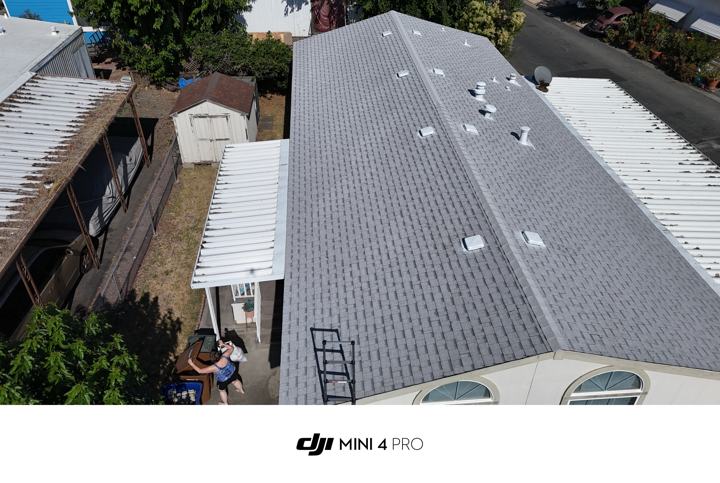
The Bay Area went solar early and in a big way, which means a lot of panels are now sitting on roofs that were already ten or fifteen years old when they were installed. Those roofs are due. Here is how a replacement works when there is an array in the way.
Detach and reset
The panels, racking and wiring come off before the tear off and go back on after the new roof is finished and inspected. This is called a detach and reset. It is done by a licensed solar contractor, often the company that installed the system, so the solar warranty and the utility interconnection stay valid. We coordinate the schedule so the panels are off the day before we start and back on the day after we finish.
What it costs
Detach and reset is priced per panel by the solar contractor and is a real line item in the project, which is why roofing before going solar is so much cheaper than roofing after. If your roof has less than ten years left and you are considering solar, replace the roof first.
Flashing the mounts
Most solar leaks come from mounts that were lagged through the shingles with sealant instead of flashed. During a replacement we flash every new mount location properly with the roofing system, which is the single biggest reason to coordinate rather than let two companies work blind.
The roof under the panels
Shingles under an array age slower because they are shaded, but the rest of the roof does not. A replacement is still a full replacement. We photograph the deck under the array area for your record.
Timing and permits
The reroof permit and the solar reconnection are separate. We handle ours, the solar contractor handles theirs, and we keep the two schedules aligned so your system is down for the fewest days possible.
More from the blog
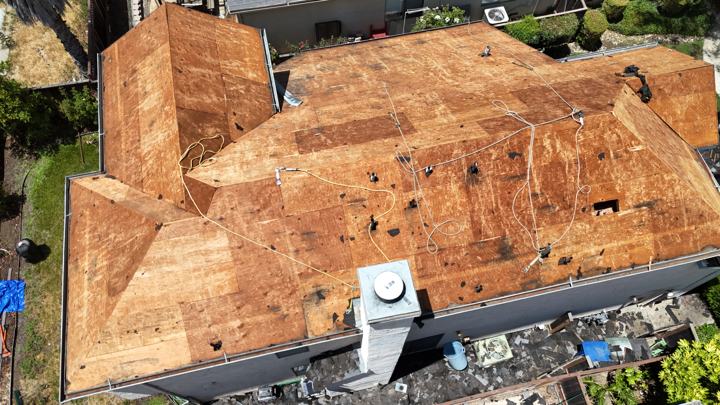
Why Your Attic Is Quietly Destroying Your Roof
Dead attic ventilation and thin insulation age shingles from below, rot decks from condensation and drive summer cooling bills. What a Bay Area attic should have, and why we fix it during a reroof.
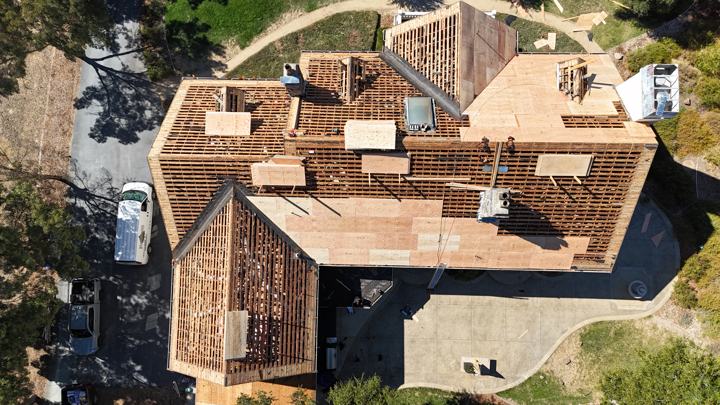
What Happens During a Roof Replacement, Day by Day
From the morning the crew arrives to the final drone flyover: how we protect your property, what the tear off reveals, when the inspector visits, how long it is loud and what the walkthrough covers.
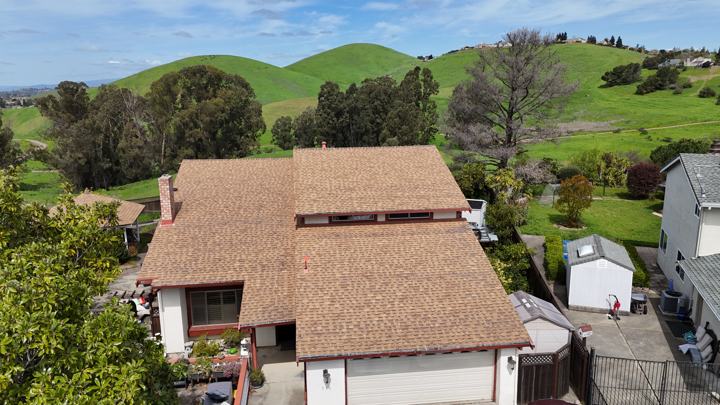
Roofing in Bay Area Fire Hazard Zones: What Class A Really Means
Why homes in Orinda, Lafayette, the Oakland and Berkeley hills, Mill Valley, Los Gatos and the Peninsula hills need Class A roof assemblies, what qualifies, and what inspectors look for.
Request a free roofing quote
Tell us what is going on with your roof and we take it from there. Free inspection, a drone photo report and a written number, usually within a day.
Prefer to pick a day and time? Book online
Get your free roof inspection
Drone photo report included. A few quick questions, about 30 seconds.