
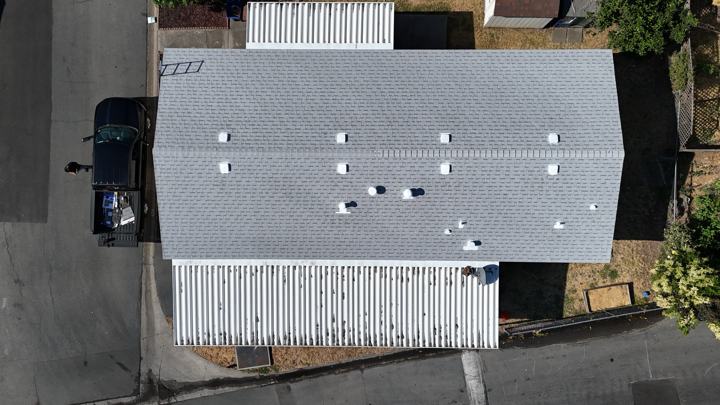
California's building energy code, Title 24, includes requirements for reflective "cool" roofing on many reroof projects. Homeowners usually hear about it for the first time when a contractor mentions it, and the explanation is often vague. Here is the clear version.
What a cool roof is
A cool roof reflects more sunlight and sheds heat faster than a standard dark roof. The code measures this with solar reflectance and thermal emittance ratings certified by the Cool Roof Rating Council. Cool roof shingles look like normal shingles, including dark colors, but use reflective granules. Flat roof membranes like white TPO qualify easily.
When it applies in the Bay Area
Title 24 divides the state into climate zones. Most of the warm inland Bay Area, including much of Contra Costa, the Tri Valley and the South Bay, falls into zones where cool roof requirements apply to reroofs of a certain size. The cooler coastal zones that cover San Francisco, much of San Mateo and Marin have fewer or no requirements for steep slope residential roofs. Low slope roofs on commercial buildings have requirements in nearly every zone.
The exceptions
The code allows alternatives in several cases, for example when the attic has a certain level of insulation or a radiant barrier, or when the project is small. This is where a contractor who knows the code saves you money: sometimes the cheapest compliant path is insulation, not special shingles.
How we handle it
We confirm your climate zone, specify compliant materials or the alternative path that makes sense for your home, and complete the compliance forms that the city inspector will ask for. It is part of every reroof we do, not an upsell.
Is a cool roof worth it beyond the code?
In Walnut Creek, Concord, Livermore or San Jose, yes. A reflective roof measurably lowers attic temperature in July, which lowers cooling bills and extends the life of the shingles themselves. Near the coast the benefit is smaller, and we say so.
More from the blog
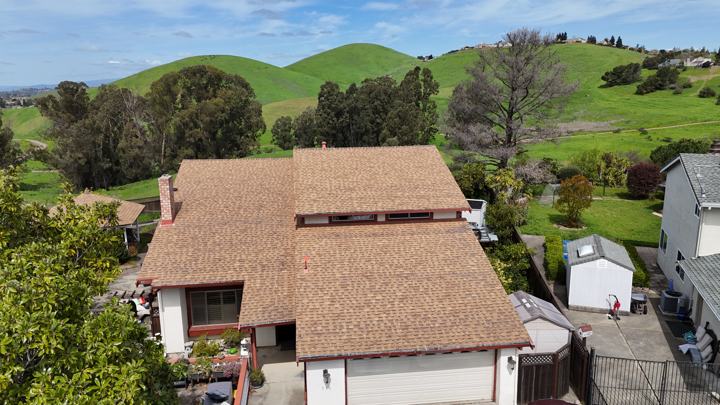
Roofing in Bay Area Fire Hazard Zones: What Class A Really Means
Why homes in Orinda, Lafayette, the Oakland and Berkeley hills, Mill Valley, Los Gatos and the Peninsula hills need Class A roof assemblies, what qualifies, and what inspectors look for.
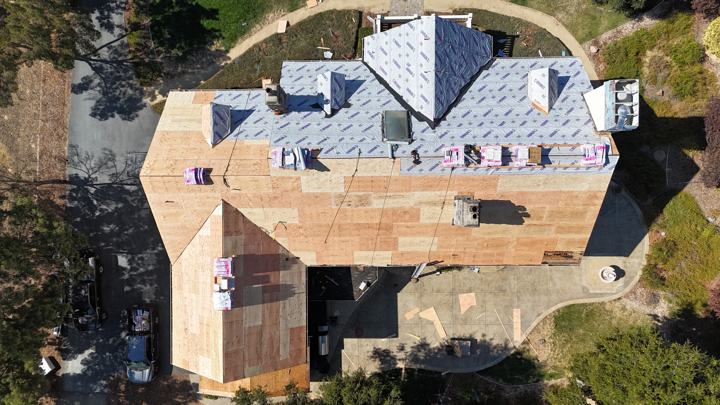
Do You Need a Permit to Replace a Roof in the Bay Area?
Yes, in every Bay Area city and county. What a reroof permit involves in Walnut Creek, Contra Costa County, Oakland, San Francisco, San Jose and the Peninsula, what inspectors check and why unpermitted roofs cost you later.
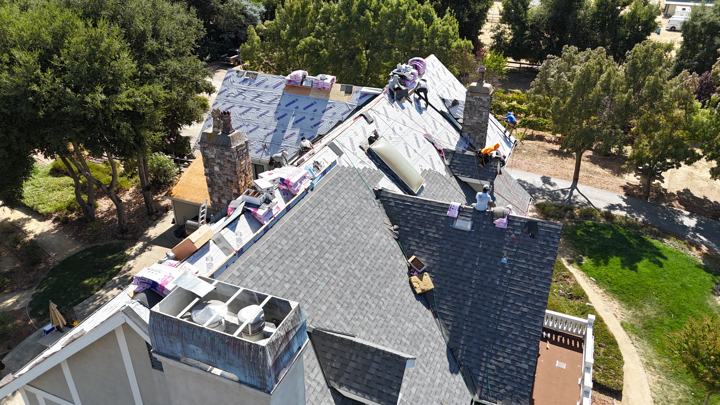
Moss, Redwood Debris and Roof Life in Marin and the Hills
Homes under redwoods and oaks in Marin, Lafayette, Orinda, the Berkeley hills and the Peninsula lose roof years to moisture and debris. How it happens, how to slow it and which materials hold up under canopy.
Request a free roofing quote
Tell us what is going on with your roof and we take it from there. Free inspection, a drone photo report and a written number, usually within a day.
Prefer to pick a day and time? Book online
Get your free roof inspection
Drone photo report included. A few quick questions, about 30 seconds.